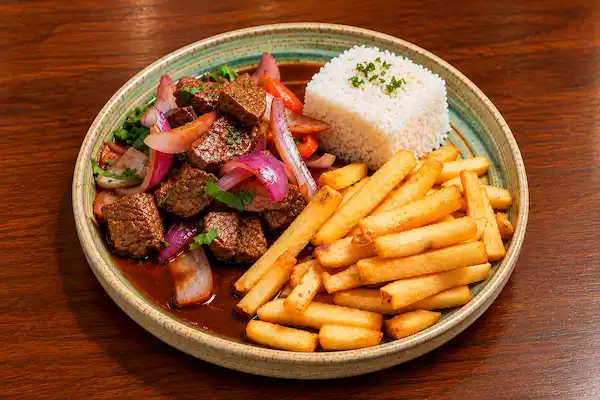
I love a cold ceviche by the water, but on a regular Wednesday night, you want something hot and heavy. That means lomo saltado. Chinese cooks in Lima started tossing beef into woks over a hundred years ago, and it stuck. The plate itself looks chaotic. You get steak cut thick, wedges of red onion, tomatoes, and yellow peppers. Everything sizzles in soy sauce and vinegar over high heat for maybe two minutes. Then it all goes on top of fresh fries and white rice, juices included.
Dozens of menus in South Florida carry it, but getting the pan hot enough is where places fail. If the stove can’t throw real heat, the meat leaks juice and steams. You get gray steak. The onions go soft. The burner has to be roaring hot. That blast of flame chars the steak on contact while keeping the center tender. For anyone tracking down good lomo saltado in Miami, that smoky wok aroma tells you everything. If the plate smells like charred pan drippings rather than heavy canned gravy, you know the kitchen knows what it’s doing.
You might be interested in: Dishes with octopus: 4 Peruvian-inspired preparations to try
What is lomo saltado and why is it so special?
At its heart, lomo saltado is a classic Peruvian beef stir-fry packed with contrasting flavors and textures. It combines tender steak, red onion, ripe tomatoes, and fresh herbs. Everything is tossed over intense heat and served with golden fries and fluffy white rice. This combination might sound unusual at first, but it has become a signature part of the dish. The crispy potatoes absorb the savory pan juices, while the rice balances every flavorful bite.
What makes this dish special is the harmony of textures and temperatures in every serving. The beef stays tender and juicy, while the onions keep their crisp and slightly sweet character. Meanwhile, the tomatoes soften and release their natural sweetness into the pan juices. The result is hearty and deeply flavorful without overwhelming the palate. For anyone discovering Peruvian gastronomy, lomo saltado offers a comforting and approachable introduction.
Why Manta Wynwood serves authentic lomo saltado in Miami
At Manta Wynwood, lomo saltado combines traditional Peruvian flavors with a contemporary dining experience in the heart of Wynwood. The dish features prime beef tenderloin sautéed with soy and oyster sauce. Red onions, tomato, and cilantro add freshness, color, and texture to every bite. Together, these ingredients create the distinctive savory character associated with this Peruvian favorite.
The tenderloin comes with white rice and French fries, two classic accompaniments that complete the traditional presentation. Both sides also balance the savory intensity of the stir-fry. Guests can choose their preferred doneness for the meat according to their personal taste. This allows the tenderloin to remain the centerpiece while the other ingredients complete the experience.
For diners searching for lomo saltado in Miami, Manta Wynwood offers an approachable way to discover this Peruvian classic. Its Wynwood location places the experience within a neighborhood known for art, culture, and diverse dining. The plate combines familiar ingredients with techniques rooted in Peruvian culinary tradition. This makes it suitable for longtime fans and guests discovering the cuisine for the first time.
Fresh ingredients that bring the recipe to life
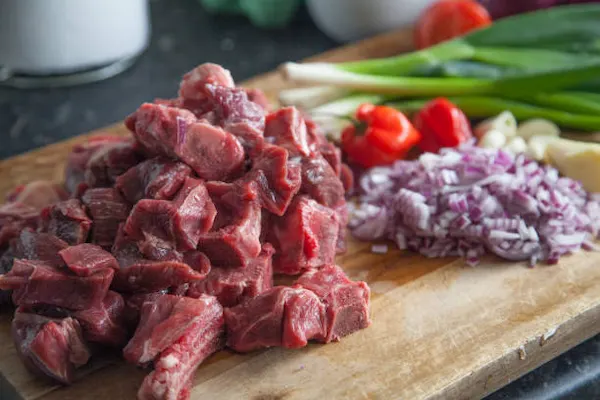
A great lomo saltado lives and dies by timing, which means there is no room to hide behind dull or tired ingredients. Because the entire stir-fry comes together in two to three minutes over extreme heat, every item in the pan has to pull its weight. When the produce is fresh and the meat is properly cut, high flame brings out natural sweetness, crisp textures, and deep savory flavor without needing heavy thickeners or artificial seasoning.
Prime beef tenderloin: Why the cut matters for high heat
The foundation of the dish is always the meat. In Peru, traditional cooks rely on lomo fino, or beef tenderloin, because of its tenderness and low fat content. When sliced into thick strips, tenderloin sears rapidly against scorching metal. The outside browns deeply within thirty to forty seconds, while the interior stays tender and juicy. It creates that melt-in-your-mouth contrast that makes the dish famous.
Cheaper or tougher cuts simply cannot withstand this style of quick cooking. If you try to stir-fry a sinewy piece of beef over blistering heat, it contracts, toughens up, and releases all its moisture into the pan. Instead of searing, the steak boils in pooled juices, leaving behind rubbery bites. Choosing prime beef tenderloin guarantees the meat holds onto its natural juices and gives every forkful a clean, tender bite.
Crisp red onions, ripe tomatoes, and ají amarillo
Vegetables in a lomo saltado are never meant to be stewed down into a sauce. Red onions are cut into thick wedges, often called pluma, and thrown into the wok right behind the beef. They spend barely a minute on the fire, just long enough to take on a smoky sear while keeping their bright purple color and audible crunch. Fresh plum tomatoes follow immediately, cooked just until their skins soften slightly without breaking down into a paste.
Then comes the heat and aroma of ají amarillo. Sliced into thin strips, this Peruvian yellow pepper brings a warm, fruity heat that cuts through the richness of the steak. Together with chopped fresh cilantro tossed in at the very last second, these fresh elements give the plate vibrant color, crisp texture, and a clean vegetable sweetness that balances the heavy, savory pan drippings.
The savory balance of soy sauce, vinegar, and wok drippings
The pan sauce is where Chinese culinary technique meets traditional Peruvian seasoning. A proper lomo saltado doesn’t rely on thick gravies or cornstarch slurry. Instead, the sauce forms in seconds right on the metal. Dark soy sauce, known as sillao, brings rich umami and a deep mahogany color to the pan, while a touch of oyster sauce adds body and savory depth.
The real game changer is a sharp splash of red wine vinegar poured around the rim of the smoking pan. As the vinegar hits the scorching steel, it deglazes the pan, lifting the caramelized bits of beef and blending with the meat juices. This hit of acidity is what gives authentic lomo saltado its signature tang, preventing the dish from feeling heavy and tying the meat and vegetables into a single cohesive sauce.
French fries and white rice: The iconic dual starch
Serving French fries and white rice on the same plate might surprise diners unfamiliar with Peruvian cuisine, but this dual starch is non-negotiable. It reflects the practical ingenuity of Lima’s home kitchens. Fluffy white garlic rice sits on one side of the plate, acting as a clean, neutral sponge that catches every drop of pan gravy running off the stir-fry.
Freshly fried potatoes play an equally crucial role. Thick-cut fries are either tossed directly into the wok right before plating or layered underneath the stir-fry. As the hot vinegar and soy juices soak into the fries, the potatoes soften slightly in the center while keeping a pleasant crispness along the edges. That texture contrast between tender steak, crunchy onions, soft rice, and sauce-soaked fries is what makes the meal so deeply satisfying.
The secret behind high heat and the flame
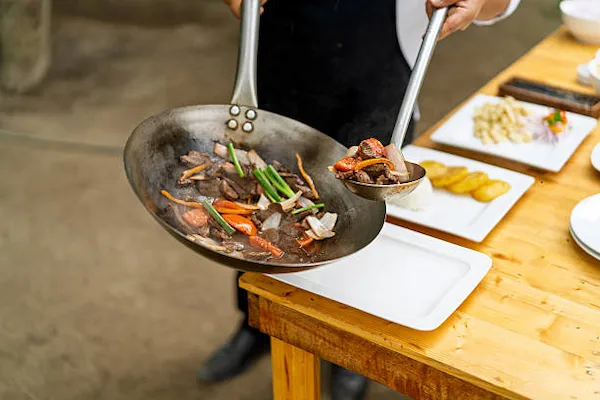
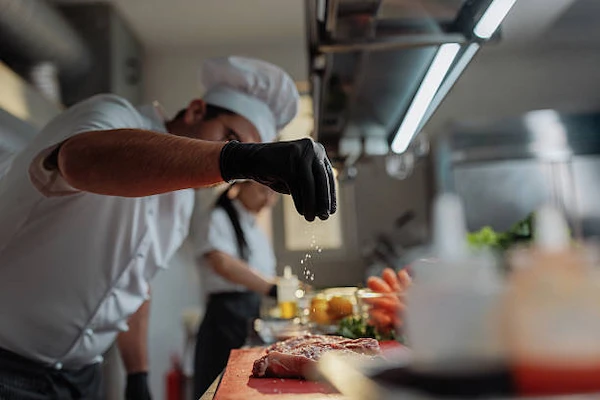
If you ever peek into a busy Peruvian kitchen while this dish is being made, you will immediately notice the impressive roar of the burner. The true secret to authentic flavor is intense heat. The pan must be smoking hot before the first drop of oil touches the surface, allowing the meat to sear in mere seconds rather than boil in its own moisture. This rapid searing locks the meat’s natural moisture inside, creating a beautifully browned crust on the outside while keeping the center succulent.
As the chef tosses the pan with a confident flick of the wrist, a small ribbon of flame often rolls over the edge, lightly kissing the ingredients. This quick flambeado imparts a subtle, smoky flavor that cannot be recreated through gentle simmering. The vegetables are added in rapid succession, spending just enough time in the very hot pan to absorb that smoky aroma while retaining their crisp, juicy bite. It is an energetic dance between fire and timing that requires real culinary focus and instinct.
How lomo saltado in Miami became a local favorite
Over the past few decades, Miami has grown into one of the most exciting culinary capitals in the world, and Peruvian food has been an essential part of that transformation. Local diners love bold, expressive dishes, and lomo saltado quickly caught on in Miami as a comforting choice for people who appreciate quality steak served with a creative twist. Whether heading out for a casual lunch after a busy morning or gathering with friends for an evening meal, diners found themselves drawn to the comforting familiarity and exciting zest of this classic plate.
The dish fits seamlessly into the lifestyle of South Florida. In a region where people celebrate diversity, outdoor dining, and gathering around great food, having a hearty plate of tender steak and crispy potatoes feels like the warmest possible welcome. For both Peruvian residents who miss the comforting aromas of Lima and newcomers looking for an authentic taste of South American cooking, the popularity of lomo saltado continues to grow across Miami, making it a regular favorite across the city’s dining neighborhoods.
You might be interested in: What is Huancaína sauce? A guide to Peru’s creamy yellow sauce
What separates authentic lomo saltado from an ordinary stir-fry
Spotting authentic Peruvian cooking comes down to a few clear details. A true lomo saltado never looks like a watery stew or generic takeout. The beef needs dark, caramelized edges from direct contact with the flame. At the same time, the red onions and tomatoes must keep their shape. Savory juices should pool at the bottom without turning thick or greasy. The broth stays light, dark, and flavorful.
Temperature and aroma tell the rest of the story. Steam should roll off the beef the second it arrives. You should immediately smell the smoke from the high burner. Red wine vinegar brings a bright aroma without tasting too sour. It cuts right through the richness of the steak and fries. High heat and fresh ingredients create a clean, balanced plate every single time.
Enjoy authentic lomo saltado in Miami at Manta Wynwood
A lot of spots in Wynwood seem built specifically for social media feeds, which makes a kitchen focused on honest technique stand out fast. That is the case with Manta Wynwood. They skip edible flowers and gimmicky plating. The pans here get blisteringly hot. Beef sears immediately, the sliced tomatoes hold together, and there is plenty of vinegar in the pan drippings. It feels like an easy neighborhood table where the cooking comes first.
There is no trick to eating this dish. The fries drink up that dark vinegar sauce fast, so you want to get in there before they turn soft. Swiping the rice through the extra pan juice is half the fun anyway. If you want authentic lomo saltado in Miami, Manta Wynwood keeps the focus on high heat and skips the tourist gimmicks. Good cut of meat, blistering heat, and real portions.