
Choosing a ceviche can be harder than it looks. One version comes with fish, lime and red onion; another adds mixed seafood, a bolder chili sauce or crispy calamari. If you’re trying Peruvian ceviche in Miami for the first time, knowing those differences helps you order something you’ll enjoy.
Start with the flavors you like. Do you prefer a clean citrus bite, a little heat or a combination of soft and crunchy textures? This guide walks you through the main styles, what makes them different and how to build a meal around them.
What makes Peruvian ceviche different?
Peruvian ceviche brings fish, citrus, chili and onion together in a dish where balance matters. The lime should feel bright, the chili should add character, and the fish should remain central to each bite. Depending on the preparation, accompaniments can introduce sweetness, crunch or a softer texture.
There isn’t just one version to order. Classic preparations keep the ingredients relatively simple, while contemporary interpretations introduce different seafood, sauces and toppings. Understanding the base makes it easier to appreciate those variations.
The ingredients behind its signature flavor
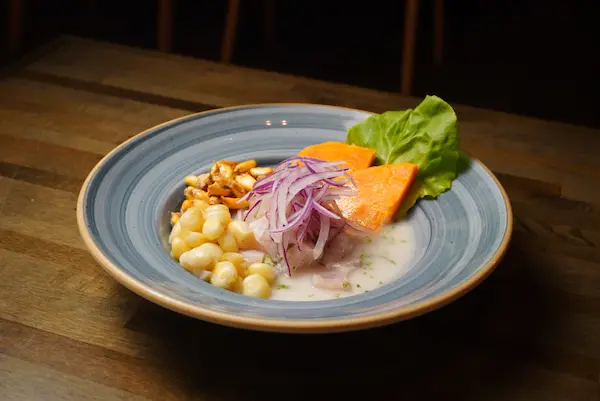
A classic Peruvian fish ceviche commonly includes fish cut into bite-sized pieces, lime juice, thinly sliced red onion, chili, cilantro and salt. Each ingredient has a purpose: citrus provides acidity, onion adds crunch, and chili contributes both aroma and heat.
The accompaniments also shape the experience. Sweet potato can soften the impression of acidity, while corn or crisp plantain chips introduce contrast. Before ordering, check the complete description rather than choosing only by the type of fish.
Why leche de tigre matters
Leche de tigre is the seasoned citrus liquid that brings the ceviche together. Its composition varies, but it commonly combines lime juice with fish juices, chili and other seasonings. It gives the dish much of its aroma and intensity.
Different versions can change the character of the plate. A preparation with cilantro may taste more herbal, while one featuring rocoto can have a more pronounced chili flavor. If you’re unsure which to choose, asking about the leche de tigre is a useful place to start.
Peruvian ceviche styles to try
When browsing a menu, look beyond the names and compare three things: the seafood, the sauce and the accompaniments. Two ceviches made with the same fish can offer different experiences once those elements change.
You may also see the spelling “cebiche.” Both spellings appear on Peruvian menus, so focus on the description to understand what you’re ordering.
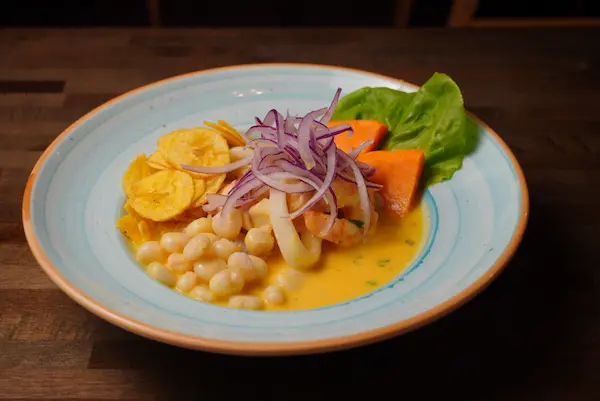
Classic fish ceviche
Classic fish ceviche is a good starting point when you want to understand the dish’s core flavors. Fish, lime juice, red onion and chili create a bright, savory combination that keeps the seafood at the center. The onion adds crunch, while cilantro contributes a fresh, herbal note without overwhelming the other ingredients.
Choose this style if you enjoy straightforward preparations and want to appreciate how citrus and chili complement the fish. Depending on the restaurant, accompaniments such as sweet potato or corn can provide a softer, sweeter contrast. A classic preparation also gives you a useful reference for comparing versions with different sauces, seafood combinations or crispy toppings.
You might be interested in reading: 12 Romantic things to do in Miami at night for an unforgettable date
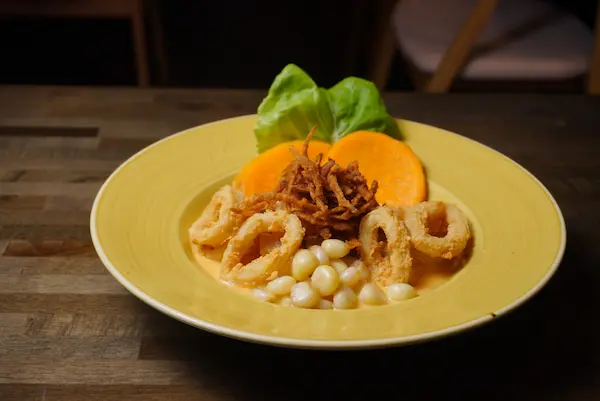
Mixed seafood ceviche
Mixed seafood ceviche brings several textures into one preparation. Depending on the restaurant, the combination may include fish, shrimp, calamari or other seafood, with each ingredient contributing a different bite. The citrus dressing connects those elements, while onion, herbs and chili add freshness and contrast throughout the plate.
This style suits diners who enjoy variety rather than a single type of seafood. One spoonful may highlight tender fish, while another brings the firmer texture of calamari or shrimp. Read the description before ordering, since the selection varies between kitchens. If you have a particular preference, ask which seafood is included and how each component is prepared.
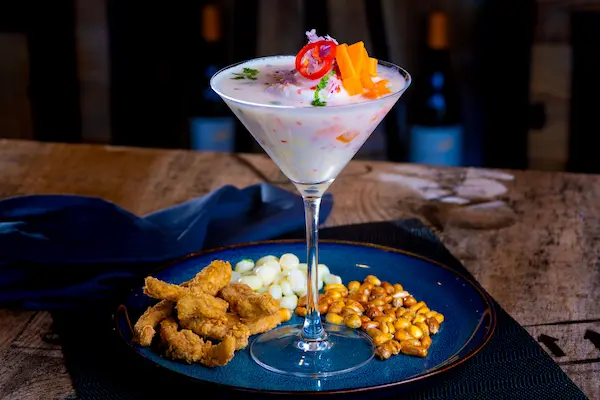
Ceviche with rocoto leche de tigre
Rocoto brings a distinctive chili flavor to the citrus dressing, giving the ceviche another layer of intensity. Its heat works alongside the acidity of the lime and the savory character of the seafood. Depending on the recipe, the sauce may feel sharper or more rounded, changing how the flavors develop from the first bite to the finish.
If you enjoy spicy food, this is a style worth considering, especially when you want something more assertive than a classic preparation. However, the presence of rocoto does not indicate a fixed spice level. Ask how the kitchen prepares its leche de tigre and whether the heat can be adjusted. Crispy accompaniments can add another contrast to the fish and sauce.
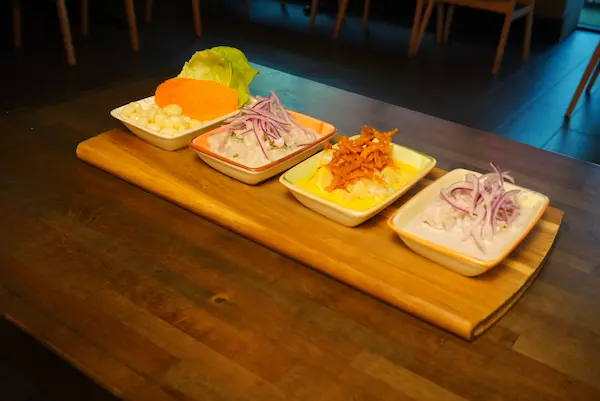
Ceviche tasting trios
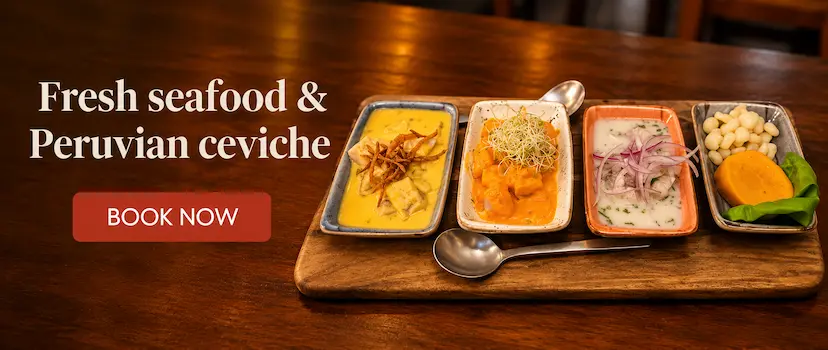
A ceviche tasting trio lets you compare several preparations without ordering a full portion of each. Tasting them side by side makes it easier to notice how a different dressing, topping or seafood selection changes the dish. It is an appealing choice when you are curious about several styles or sharing with someone whose preferences differ from yours.
For example, Manta Wynwood’s Trilogía de Cebiches combines its classic, olive and house preparations, bringing contrasting flavors to the same plate. Start with the most delicate-tasting option, then move toward the richer or more intense sauces. This gives you time to appreciate each preparation and find the style you would choose again on your next visit.
How to choose a ceviche that suits your taste
The best choice depends on what you enjoy eating. Someone who likes simple fish preparations may prefer a classic ceviche, while a diner who enjoys bold sauces and contrasting textures may find a contemporary version more appealing.
Think about the rest of your meal, too. A ceviche shared before a warm main course plays a different role from one ordered as your main dish.
A classic option for first-time diners
If this is your first ceviche experience, begin with a straightforward fish preparation. Fewer components make it easier to identify the citrus, chili and seafood flavors.
Tell your server that you’re trying the dish for the first time and describe your spice preference. That gives them more useful information than simply asking for the most popular option.
Bolder flavors for spice lovers
If chili is part of what you enjoy about a meal, look for descriptions mentioning rocoto or other Peruvian peppers. Ask whether the heat is incorporated into the dressing or offered separately.
Remember that acidity and heat are different sensations. A ceviche can taste sharply citrusy without being particularly spicy, so it helps to ask about both.
Different textures for seafood lovers
For more contrast, consider mixed seafood or a preparation with a crispy topping. The combination of tender fish, crunchy onion and fried accompaniments can make each bite feel different.
If you’re sharing, choose complementary dishes rather than several similar versions. A ceviche alongside a warm rice dish or grilled preparation gives the table a broader range of textures.
What to pair with Peruvian ceviche
Ceviche can open a meal or become part of a larger selection for the table. Because it brings acidity and freshness, it pairs well with dishes that offer warmth, richness or a savory contrast.
You don’t need to order everything at once. Choosing one ceviche and one complementary dish is a practical starting point, particularly when you’re still getting familiar with Peruvian food.
Warm dishes to complement a fresh starter
Rice dishes, grilled seafood and stir-fried beef offer a different experience after a citrus-forward starter. Consider whether you want to stay with seafood or introduce another protein.
A dish such as lomo saltado adds a warm, savory element to the meal. Sharing both allows you to move between contrasting flavors without making the whole order revolve around cold seafood.
Cocktails and refreshing nonalcoholic drinks
A pisco sour or chilcano can accompany a Peruvian meal, depending on whether you prefer a fuller citrus cocktail or a lighter, longer drink. Your server can suggest a pairing based on the sauce and intensity of the ceviche you choose.
For a nonalcoholic option, consider chicha morada or a fruit-based drink. Think about sweetness as well as flavor: a sweeter beverage may provide a contrast to a sharply citrusy dish.
Where to enjoy Peruvian ceviche in Miami
When choosing where to eat Peruvian ceviche in Miami, look for a menu that explains the seafood, dressing and accompaniments. Clear descriptions help you compare options and make the meal easier to plan, especially when your group has different preferences.
In Wynwood, Manta offers classic ceviche alongside house interpretations. Its menu provides a way to try a familiar preparation or compare different sauces and textures, depending on how adventurous you feel.
If you’re planning a birthday, an office lunch or a family celebration, Peruvian catering in Miami allows you to build a shared menu around ceviche and complementary dishes. Confirm the available preparations, portions and serving arrangements with the team before placing your order.
You might be interested in reading: What is Huancaína sauce? A guide to Peru’s creamy yellow sauce
Frequently asked questions about Peruvian ceviche
A few details can make ordering easier, particularly if you’re unfamiliar with citrus-marinated seafood. These answers cover common questions about preparation, spice and portion size. For ingredients, allergies or individual dietary needs, ask the restaurant about the specific dish rather than relying on its name alone.
Is Peruvian ceviche served raw?
Classic fish ceviche uses raw fish marinated in citrus juice. The acid changes its texture and appearance, but this is different from cooking it with heat. Citrus marination does not reliably eliminate harmful microorganisms, so ceviche should be treated as a raw seafood dish.
If you prefer cooked seafood, ask the restaurant to recommend a fully cooked preparation rather than assuming that additional marinating time makes ceviche equivalent to a cooked dish.
Is Peruvian ceviche always spicy?
No. The heat varies with the type and quantity of chili and the way the sauce is prepared. Some versions emphasize citrus and herbs, while others give chili a more prominent role. Ask about the spice level before ordering and whether it can be adjusted. A sauce prepared in advance may offer less flexibility than chili added individually to each order.
What is the difference between ceviche and tiradito?
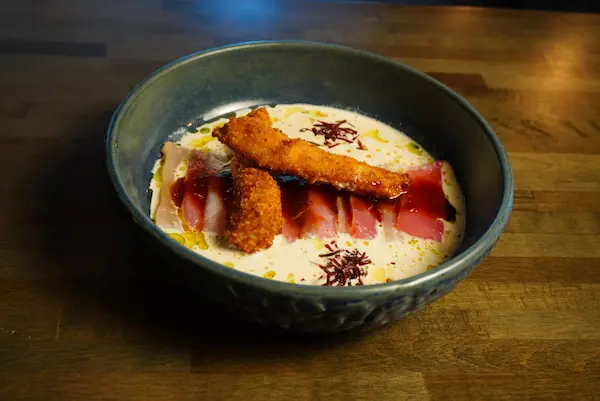
Ceviche typically features bite-sized pieces of fish and sliced onion. Tiradito generally uses thin slices of fish served with a sauce, often without the same onion-heavy preparation.
Both can feature citrus and chili, but the cut and presentation create different textures. If you enjoy delicate slices of fish, tiradito may be another dish to consider.
Is ceviche an appetizer or a main course?
It can be either, depending on the portion, accompaniments and the rest of your order. A smaller serving works as a starter, while a larger plate may be the focus of a meal.
If you plan to share several dishes, ask how many people the portion is intended to serve. That makes it easier to order enough variety without choosing more food than the table needs.

One Response