Peruvian food brings together centuries of culinary traditions from the coast, Andes, and Amazon rainforest. Indigenous ingredients and cooking methods form its foundation. Over time, Spanish, African, Chinese, Japanese, and other influences introduced new techniques and flavors.
Potatoes, corn, ají peppers, quinoa, seafood, native herbs, and tropical fruits all have an important place in Peruvian cooking. Their variety allows chefs to create dishes with very different flavors and textures.
For this reason, Peruvian cuisine does not have one single flavor profile. A dish from Lima can taste completely different from one prepared in Cusco or the Peruvian Amazon.
What is Peruvian food?
Peruvian food reflects centuries of culinary traditions from the coast, Andes, and Amazon rainforest. At its core, the cuisine relies on indigenous ingredients and cooking methods. Over time, Spanish, African, Chinese, Japanese, and other influences added new techniques and flavors.
Across the country, potatoes, corn, ají peppers, quinoa, seafood, native herbs, and tropical fruits play an important role in local cooking. Thanks to this variety, chefs can create dishes with very different flavors, aromas, and textures.
As a result, Peruvian cuisine does not have one single flavor profile. A dish from Lima can taste completely different from one prepared in Cusco or the Peruvian Amazon.
What is Peruvian food like?
So, what is Peruvian food like? In general, it is flavorful, diverse, and full of fresh, spicy, savory, and aromatic ingredients.
For example, cebiche offers a light and refreshing combination of fresh seafood, lime, onion, ají, and cilantro. On the other hand, dishes such as lomo saltado and pachamanca provide richer and heartier flavors.
Ají peppers give many Peruvian dishes their distinctive character. Meanwhile, lime, cilantro, onions, and native herbs add freshness and aroma. In addition, ingredients such as soy sauce reveal the influence of international culinary traditions.
Why is Peruvian food so good?
Several factors explain why Peruvian cuisine has become so popular around the world.
Peru’s extraordinary biodiversity is one of the main reasons behind the popularity of its cuisine. The country’s three major geographical regions provide an impressive range of ingredients. The Pacific coast offers fresh seafood, while the Andes provide potatoes, corn, and native grains. Meanwhile, the Amazon contributes tropical fruits, herbs, and freshwater fish.
Cultural diversity adds another important layer. Indigenous traditions coexist with Spanish, African, Chinese, Japanese, and other culinary influences. Because of this interaction, Peruvian cuisine combines different ingredients, techniques, and traditions to create distinctive dishes.
Equally important, Peruvian cooks know how to make each ingredient stand out. Fresh seafood, aromatic herbs, native peppers, flavorful sauces, and traditional cooking techniques create complex layers of flavor.
Ultimately, the combination of exceptional ingredients, diverse cultures, and centuries of culinary knowledge explains why Peruvian food has earned a reputation around the world.
The best Peruvian foods from the coast
Peru’s Pacific coast has played a major role in the development of the country’s cuisine. Fresh seafood combines with ají amarillo, potatoes, corn, lime, onions, and native herbs to create some of Peru’s most recognizable dishes.
Coastal cuisine also shows how Peruvian food continues to evolve. Local traditions have incorporated Spanish, African, Chinese, Japanese, and other international influences. The result includes both traditional recipes and modern interpretations.
1. Cebiche
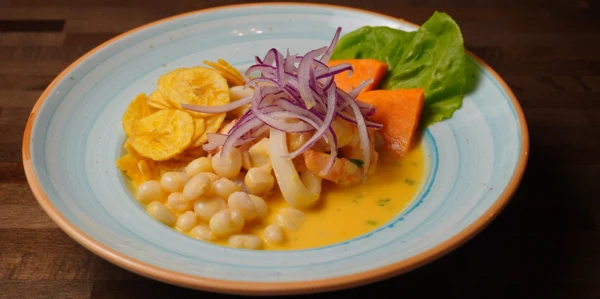
Cebiche is one of the most iconic dishes in Peru. For many travelers, it offers one of the best introductions to Peruvian cuisine. Fresh seafood, lime juice, red onion, ají, cilantro, and salt create its distinctive flavor.
The lime adds acidity and changes the texture of the fish. Ají provides a characteristic Peruvian flavor, while onion and cilantro add freshness. Traditional accompaniments include sweet potato, corn, and cancha. Together, these ingredients create an exciting contrast of flavors and textures.
Cebiche has deep roots in Peru’s ancient coastal civilizations. These communities already prepared fresh fish with local ingredients long before the arrival of the Spanish. The modern recipe later incorporated ingredients such as citrus, which became an important part of the dish.
Today, travelers can discover different versions of Peruvian cebiche. Cebiche Clásico highlights fresh fish, lime, ají, red onion, and cilantro. Cebiche Mixto combines fish with seafood such as shrimp, squid, or octopus. Cebiche Tupa offers another interpretation of this iconic dish.
For those who want to compare different preparations, a Trilogía de Cebiches offers three styles in one experience. This option lets diners explore different flavors, sauces, and textures while discovering one of Peru’s most important culinary traditions.
2. Arroz con Mariscos
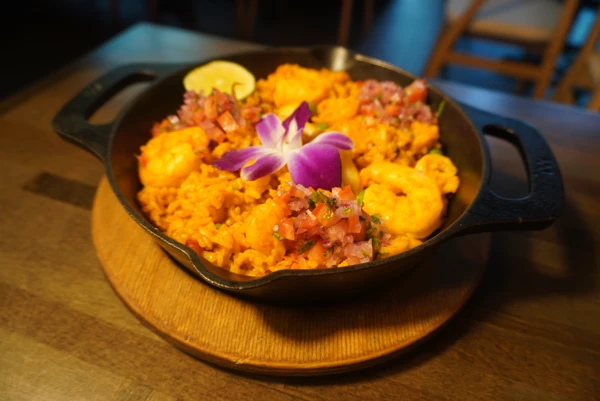
Arroz con mariscos is a classic dish from Peru’s coastal cuisine. It combines rice with fresh seafood such as shrimp, squid, octopus, and scallops. Garlic, onion, ají peppers, herbs, and other seasonings give the dish its rich flavor.
The preparation allows the rice to absorb the flavors of the seafood and seasonings. As a result, every spoonful offers a combination of savory flavors and different seafood textures.
The dish reflects Peru’s strong connection with the Pacific Ocean. Coastal communities have relied on the sea for generations, and seafood remains a fundamental part of their cuisine.
At Manta, Arroz con Mariscos combines shrimp, calamari rings, and scallops. Guests can also add the restaurant’s rocoto cream for a subtle spicy touch.
3. Causa
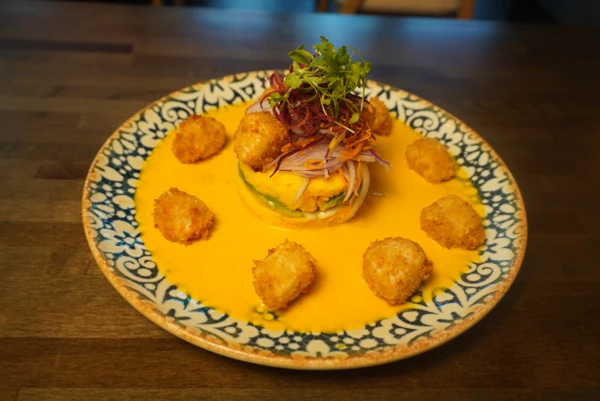
Causa is a traditional Peruvian dish made with yellow potatoes. The potatoes are cooked, mashed, and seasoned with lime juice, ají amarillo, oil, and salt. This process creates a smooth and flavorful base.
Peru has cultivated potatoes in the Andes for thousands of years. Causa reflects this long relationship with one of the country’s most important native ingredients. The exact origin of the modern dish remains debated, but causa has become a beloved part of Peruvian cuisine.
Its versatility makes it especially interesting. At Manta, diners can enjoy Causa de Tuna Tartare, Causa con Cebiche Frito, or Causa de Lomo Saltado. Each version combines the seasoned potato with different flavors and textures.
4. Lomo saltado
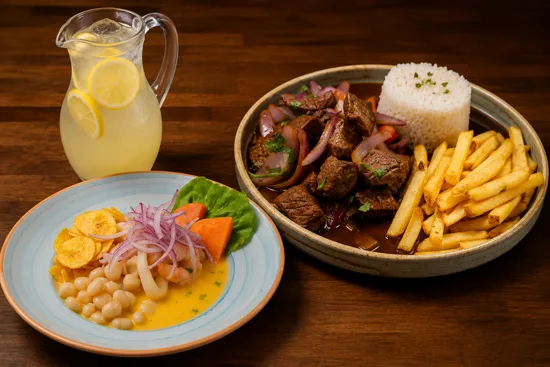
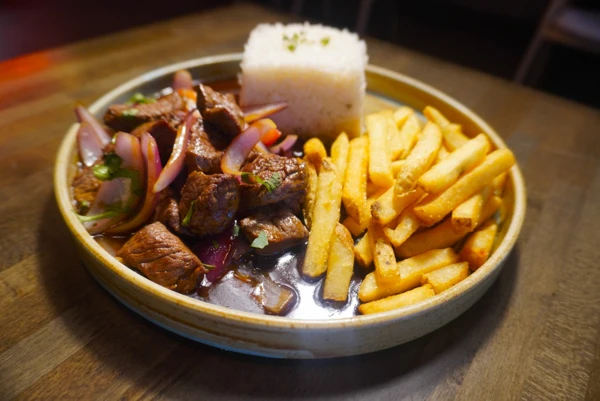
Lomo saltado represents Peru’s multicultural culinary identity. The dish combines strips of beef with red onion, tomato, soy sauce, and seasonings. Chefs traditionally stir-fry these ingredients at high heat and serve them with rice and French fries.
Chinese immigrants played an important role in the development of this dish during the 19th century. Their cooking techniques, especially stir-frying, blended with Peruvian ingredients and local traditions.
This combination created one of Peru’s most popular examples of Chifa, the culinary tradition that developed from Chinese and Peruvian influences. Lomo saltado brings together Asian cooking techniques with Peruvian flavors, beef, potatoes, and rice.
5. Tacu Tacu
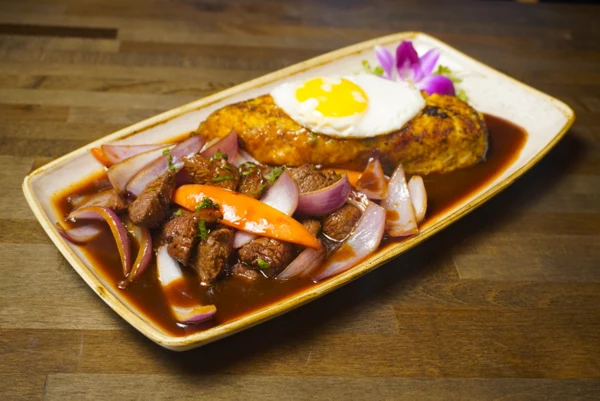
Tacu tacu combines cooked beans and rice with seasonings before chefs fry the mixture until it develops a golden and crispy exterior. The inside remains soft and flavorful.
The dish has strong connections to Afro-Peruvian cuisine. Traditionally, cooks could combine leftover rice and beans to create a satisfying new meal. Over time, this practical preparation became an important part of Peruvian food culture.
Today, chefs serve tacu tacu with different proteins and sauces. At Manta, guests can choose Tacu Tacu con Lomo Saltado or Tacu Tacu con Langostinos al Grill en Salsa Cauche. These combinations show how one traditional preparation can support very different flavor profiles.
6. Papa a la Huancaína
Papa a la huancaína is one of Peru’s most beloved traditional dishes. It features boiled yellow potatoes covered with a creamy sauce made from ají amarillo, fresh cheese, milk, oil, and seasonings. Lettuce, black olives, and boiled egg usually accompany the dish.
The recipe has strong connections to Huancayo and the central Peruvian Andes. Its exact origins remain uncertain, although one popular account connects the dish with workers and travelers during the construction of the railway between Lima and the central highlands.
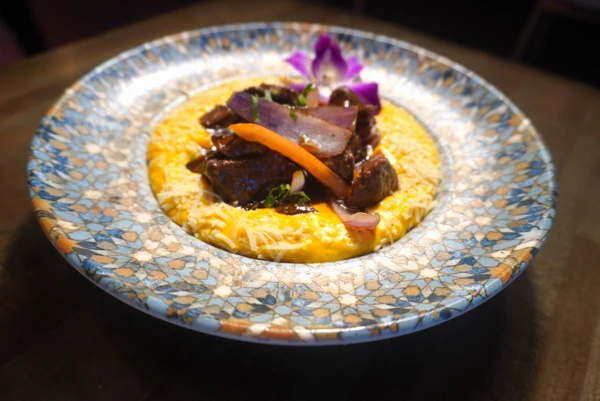
Today, the famous huancaína sauce appears in many modern preparations. Risotto a la Huancaína and Fettuccine a la Huancaína combine the traditional sauce with Italian-inspired dishes. These interpretations demonstrate the versatility of Peruvian flavors.
Lomo Saltado
Experience the flavors of Peru in Lima
One of the best ways to understand why is Peruvian food so good is to experience it firsthand. Tasting traditional dishes introduces you to Peru’s flavors, while a cooking class gives you a closer look at the techniques behind them.
At Lala Peru Travel, travelers can explore Peruvian cuisine through food tours and cooking experiences in Lima. A cooking class lets you work with traditional ingredients, learn local techniques, and prepare representative Peruvian dishes with guidance from a local expert.
Discover Peruvian cuisine through a local experience
Peruvian cuisine is much more than a collection of famous dishes. It reflects the country’s geography, history, biodiversity, and cultural diversity.
From cebiche on the Pacific coast to pachamanca in the Andes and juane in the Amazon, every region tells a different story through food.
Ultimately, this combination of ingredients, traditions, and influences is what makes Peruvian food so special. Every dish combines different ingredients, traditions, and influences, giving travelers a new way to discover Peru.